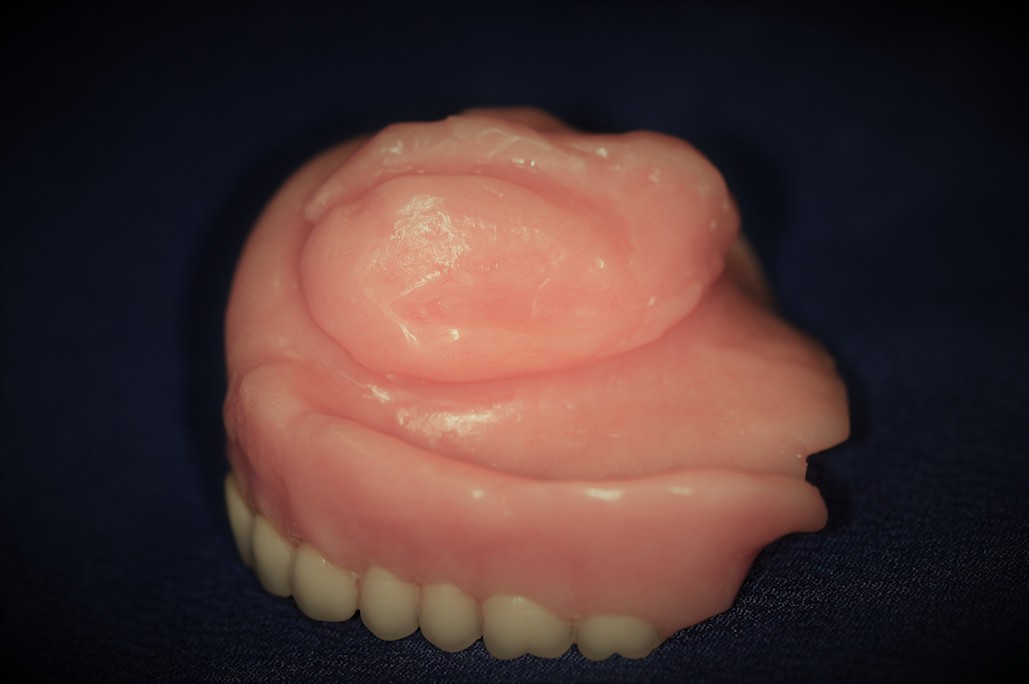
Maxillofacial prosthodontics is the restoration of oral function and appearance following congenital defects, disease, or trauma affecting the mouth, jaws or surrounding structures. It is often delivered as part of a wider clinical team that may include oral and maxillofacial surgeons, radiation oncologists, speech pathologists and other allied health professionals.
Patients who may benefit from maxillofacial prosthodontic input include:
- Patients treated for head and neck cancer, before or after surgery or radiation therapy
- Patients born with congenital defects such as cleft lip and palate
- Patients recovering from facial or oral trauma
- Patients with acquired neuromuscular conditions — for example following a stroke, or motor neurone disease — where oral function is affected
The prostheses used vary considerably depending on the underlying condition. Examples include obturators, used where part of the palate is missing (for example after cancer surgery, to separate the oral and nasal cavities and restore speech and swallowing); palatal lift or augmentation prostheses, used where soft-palate function is impaired; and other custom intraoral prostheses designed to restore function or protect remaining tissues. Care may also integrate with other prosthodontic treatments — dental implants can provide retention for some obturators and overdentures, and full mouth reconstruction approaches may be appropriate where the natural dentition has been extensively affected. Individual suitability depends on the underlying condition, the remaining anatomy, and the wider treatment plan, and is assessed on a case-by-case basis by a specialist clinician.
Why early prosthodontic involvement matters. Prosthetic requirements can influence surgical planning — for example, where surgical margins fall, what retention will be available afterwards, and what type of reconstruction is realistic. Some diagnostic records (impressions, photographs, planning scans) are also difficult or impossible to recreate once surgery has taken place. Involving a prosthodontist early helps the treating team plan for the eventual prosthetic outcome from the outset.
A specialist-led, collaborative process. At adelaideCAD, maxillofacial prosthodontic care is specialist-led and coordinated with your treating team — oral and maxillofacial surgery, oncology, speech pathology and other disciplines as needed. Treatment is planned around your wider clinical situation, not in isolation.
What to expect. Care usually begins with a consultation and a review of your existing records and imaging, followed by discussion with your treating team. Prostheses are customised and typically require multiple appointments; modifications and reviews are often needed as tissues heal or treatment progresses.
If you are a clinician managing a patient who may benefit from maxillofacial prosthodontic input, please call (08) 8212 5294 or refer using our online form. If your treating team has raised maxillofacial prosthodontics as part of your care, ask them about a referral to adelaideCAD.